

Specialist support
where you need it.
Engage us for a defined assignment or ongoing support. We assess, advise, implement and operate, either alongside your team or independently, depending on what you need.
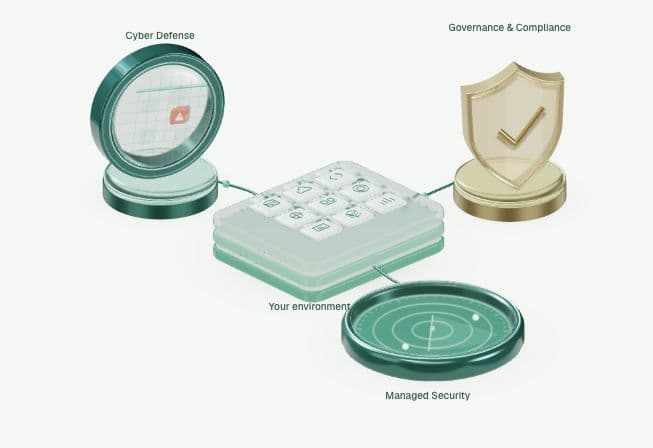
Cyber Defense
Assess applications, infrastructure and connected devices individually or within a wider review. Our testing ranges from examining code and configuration to testing how your organisation detects and responds to an attack.
Application & Software Security
- AI & LLM Security TestingTest how AI applications handle attempts to override instructions, extract sensitive information or trigger actions beyond their intended permissions.
- Web App Security TestingExamine sign-in, permissions and application workflows for ways to access data or perform actions a user should not be allowed to.
- Mobile App Security TestingAssess how the app stores sensitive data, communicates with backend services and uses device permissions.
- API Security AssessmentTest whether API requests can bypass permissions, expose another user's data or manipulate business transactions.
- Source Code ReviewReview how sensitive operations are implemented to identify security flaws and explain the code changes needed to address them.
Security Assessments & Attack Simulation
- Vulnerability Assessment & Penetration Testing (VAPT)Identify vulnerabilities and test exploitability across agreed systems, with support to prioritise, implement and retest fixes.
- Red TeamingTest whether your people, processes and security controls can detect and respond to a simulated attack pursuing agreed objectives.
Infrastructure & Connected Systems
- Cloud Security TestingExamine permissions, exposed services and cloud configurations for ways to gain access or extend control across your environment.
- Wireless Security TestingAssess who can connect to your wireless networks, what they can reach and whether guest and internal access remain separated.
- OT / IoT SecurityAssess device access, communications and network separation, with testing methods agreed around operational and safety constraints.
Governance, Risk & Compliance
Establish what your obligations require and how your organisation measures up. We assess gaps, help implement the necessary changes and prepare supporting documentation for customer reviews, audits and certification.
Security & AI Governance
- ISO 27001:2022Establish an information security management system, address gaps and prepare the policies, controls and evidence needed for certification.
- ISO 42001Establish an AI management system covering responsibilities, risks and oversight for how your organisation develops or uses AI.
- NIST CSFCompare your current security practices with your target outcomes and build a prioritised plan for improvement.
Privacy & Data Protection
- GDPRReview personal data handling and help implement the processes, safeguards and records needed to support your GDPR obligations.
- DPDP ActMap personal data flows, assess readiness and help implement processes and safeguards for applicable Indian data protection requirements.
- HIPAAAssess safeguards for protected health information and help address gaps in access, handling and security practices.
Audit & Assurance
- SOC 2 ReadinessPrepare controls and supporting evidence for an independent SOC 2 examination, addressing gaps in their design and operation.
- PCI DSS ReadinessDefine the payment data environment, assess control gaps and support remediation ahead of compliance validation.
- SEBI / RBI / IRDAI Audit ReadinessAssess the cyber requirements applicable to your regulated entity, address gaps and organise evidence for the relevant audit.
- IT General Controls AuditExamine access management, system changes and IT operations to assess whether controls are designed appropriately and working as intended.
Managed Security & Advisory
Security depends on work being followed through: suspicious activity investigated, access reviewed and response plans put into practice. We run day-to-day security operations, implement controls and provide experienced leadership, with clear responsibility for the work we take on.
Monitoring & Response
- Managed SOC / MDRMonitor security activity, investigate suspicious behaviour and carry out response actions within agreed responsibilities and escalation procedures.
- Incident ResponseInvestigate an incident, contain its spread and support recovery, with clear communication as the situation develops.
- Compromise AssessmentExamine systems and available records for evidence of current or past attacker activity, explaining findings and the limits of the investigation.
- Continuous Vulnerability & Exposure ManagementTrack new vulnerabilities and changes in exposure, prioritise action and follow remediation through to verification.
- Dark Web & Credential MonitoringMonitor selected sources for exposed credentials and sensitive business information, assess relevance and identify protective action.
- Brand Abuse & Impersonation MonitoringIdentify suspicious domains, accounts and websites impersonating your business, assess the risk and support escalation.
Security Leadership & Controls
- Virtual CISO (vCISO)Set security priorities, guide investment and oversee progress, giving leadership a clear view of risks, responsibilities and decisions.
- Identity & Access Management (IAM)Design and implement access controls for joining, changing roles and leaving, including privileged access and regular permission reviews.
- Network Architecture ReviewReview network design, segmentation and access paths to identify where an intrusion could spread and recommend practical changes.
- Third-Party Risk ManagementAssess suppliers according to the access, data and services involved, track agreed improvements and review risk as relationships change.
Readiness & Training
- Incident Readiness & Tabletop ExercisesDevelop response plans and rehearse realistic scenarios to test decisions, responsibilities and communication before an incident.
- Phishing SimulationRun controlled phishing exercises to understand how employees recognise and report suspicious messages, then use the findings to guide training.
- Employee Security Awareness TrainingHelp employees recognise risks and practise safer ways of handling information, verifying requests and reporting concerns relevant to their roles.